


The Week in Pictures: November 17 – November 23, 2015

There were some huge news stories that broke last week so lets quickly review some of the most important to his the headlines.
A terrorist attack on the luxury Radisson Blu Hotel in Bamako, capital of Mali, left at least 19 dead last week. The dead included an American, an Israeli, three Chinese, six Russians, two Belgians and witnesses report numerous members of the hotel’s security staff were killed when the dozen or so attackers struck using a car featuring diplomatic plates. Both Al-Qaeda in the Islamic Maghreb and al-Murabitoun claimed responsibility for the attack although authorities couldn’t confirm either claim.
Last week Anastasia Lin, the winner of Miss World Canada claimed she had been shut out of the finals of the Miss World contest by the hosts China for her outspoken stance on their record of human rights abuses and her defense of the Falun Gong who are deemed an illegal cult by the Chinese communist party. Without an official letter of invitation, which other finalists received in late October, she is unable to apply for the necessary visa. Miss World Canada said it would not provide a replacement.
A massive manhunt continued across Belgium last week as authorities sought the armed-and-dangerous Salah Abdeslam amidst intelligence reports that indicated an imminent threat of attack. Brussels, the capital, remained under lockdown for several days with residents told to avoid crowds, the city’s metro closed down and soldiers patrolling the streets. Many European capitals remain on a high state of alert following the attacks perpetrated in Paris on Friday the 13th that left 130 dead and hundreds injured.
In sport Chelsea took an hour to get the only goal scored in their Premier League fixture with Norwich giving them a much needed win in a week that saw Jose Mourinho claim that reaching the top of the table was “Mission Impossible” and that “Maybe Tom Cruise can do it, but it’s complicated.” Will the diminutive Hollywood star give up his career to manage the London side? You’ll have to read our daily news pages to find out, but in the meantime he’s a look at some of the big stories we covered last week.
1. Holly Holm landed a big punch on sportsbooks with her UFC 193 KO win against Rousey.

2. Royal Panda Casino paid out some big cash winnings for online casino players last weekend.

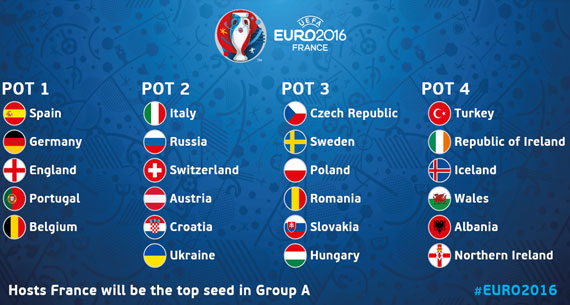
3. EURO 2016: The pots for the final tournament draw were determined after the playoffs had been concluded.
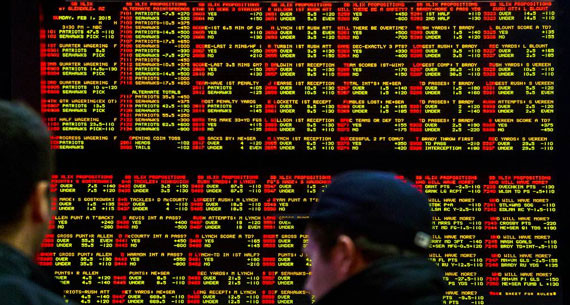
4. Numbers after week 11 of the 2015 NFL season suggested that this year could be the fourth straight record-breaking season for Vegas sportsbooks.
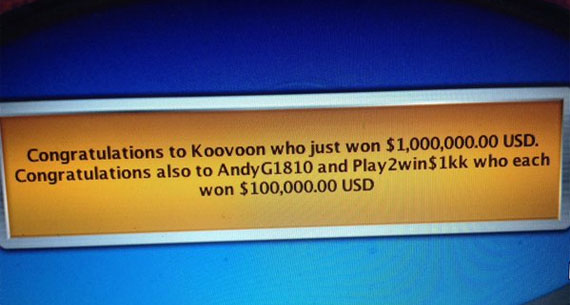
5. PokerStars produced its seventh millionaire through the random prize Million Dollar Sit and Go tournaments.
Meanwhile an audience member on the long running BBC television show Question Time asked why the media continued to associate mainstream Islam with the militant terrorists in ISIS by calling them Islamic State (given they’re neither Islamic nor a state) saying “If I call myself a zebra do you them refer to me as a zebra?” Many experts encourage the use of the term Daesh instead a pronunciation of the acronym that also sounds uncannily like “a bigot who imposes his views on others” instead.



- 50% Signup Bonus
- Parlay Payback
- Prop of The Week Rewards
- Weekly Racebook Rewards
- Refer a Friend Bonus
- Top Coverage of US Sports


- 100% Welcome Bonus
- Back of the Net (free bet up to £25)
- Aintree Grand National 2014: Non-Runner Free Bet
- Live Streaming Games
- Horse Racing - Best Odds Guaranteed
- Horse Racing - Live Racing on Your PC


- Sportsbook / Casino / Poker Room
- One account for all gambling
- Robust casino software
- Variety of progressive jackpots
- Large poker network
- Many sports betting options


- 100% Max. €/$100 Bonus
- Loyal Panda Points
- Free Spins
- Reload Bonuses
- Progressive Jackpots

- 100% Max. $150 on 1st Deposit
- Over 400 Casino Games
- Sunday specials
- 100% Max. $105 Anniversary Bonus
- $1,000 Jackpot Bonus

Play and you could be the lucky winner!
There were some huge news stories that broke last week so lets quickly review some of the most important to his the headlines.
A terrorist attack on the luxury Radisson Blu Hotel in Bamako, capital of Mali, left at least 19 dead last week. The dead included an American, an Israeli, three Chinese, six Russians, two Belgians and witnesses report numerous members of the hotel’s security staff were killed when the dozen or so attackers struck using a car featuring diplomatic plates. Both Al-Qaeda in the Islamic Maghreb and al-Murabitoun claimed responsibility for the attack although authorities couldn’t confirm either claim.
Last week Anastasia Lin, the winner of Miss World Canada claimed she had been shut out of the finals of the Miss World contest by the hosts China for her outspoken stance on their record of human rights abuses and her defense of the Falun Gong who are deemed an illegal cult by the Chinese communist party. Without an official letter of invitation, which other finalists received in late October, she is unable to apply for the necessary visa. Miss World Canada said it would not provide a replacement.
A massive manhunt continued across Belgium last week as authorities sought the armed-and-dangerous Salah Abdeslam amidst intelligence reports that indicated an imminent threat of attack. Brussels, the capital, remained under lockdown for several days with residents told to avoid crowds, the city’s metro closed down and soldiers patrolling the streets. Many European capitals remain on a high state of alert following the attacks perpetrated in Paris on Friday the 13th that left 130 dead and hundreds injured.
In sport Chelsea took an hour to get the only goal scored in their Premier League fixture with Norwich giving them a much needed win in a week that saw Jose Mourinho claim that reaching the top of the table was “Mission Impossible” and that “Maybe Tom Cruise can do it, but it’s complicated.” Will the diminutive Hollywood star give up his career to manage the London side? You’ll have to read our daily news pages to find out, but in the meantime he’s a look at some of the big stories we covered last week.
1. Holly Holm landed a big punch on sportsbooks with her UFC 193 KO win against Rousey.
2. Royal Panda Casino paid out some big cash winnings for online casino players last weekend.
3. EURO 2016: The pots for the final tournament draw were determined after the playoffs had been concluded.
4. Numbers after week 11 of the 2015 NFL season suggested that this year could be the fourth straight record-breaking season for Vegas sportsbooks.
5. PokerStars produced its seventh millionaire through the random prize Million Dollar Sit and Go tournaments.
Meanwhile an audience member on the long running BBC television show Question Time asked why the media continued to associate mainstream Islam with the militant terrorists in ISIS by calling them Islamic State (given they’re neither Islamic nor a state) saying “If I call myself a zebra do you them refer to me as a zebra?” Many experts encourage the use of the term Daesh instead a pronunciation of the acronym that also sounds uncannily like “a bigot who imposes his views on others” instead.
- 50% Signup Bonus
- Parlay Payback
- Prop of The Week Rewards
- Weekly Racebook Rewards
- Refer a Friend Bonus
- Top Coverage of US Sports
- 100% Welcome Bonus
- Back of the Net (free bet up to £25)
- Aintree Grand National 2014: Non-Runner Free Bet
- Live Streaming Games
- Horse Racing - Best Odds Guaranteed
- Horse Racing - Live Racing on Your PC
- Sportsbook / Casino / Poker Room
- One account for all gambling
- Robust casino software
- Variety of progressive jackpots
- Large poker network
- Many sports betting options
- 100% Max. €/$100 Bonus
- Loyal Panda Points
- Free Spins
- Reload Bonuses
- Progressive Jackpots
- 100% Max. $150 on 1st Deposit
- Over 400 Casino Games
- Sunday specials
- 100% Max. $105 Anniversary Bonus
- $1,000 Jackpot Bonus
Play and you could be the lucky winner!
2015 Sees the Launch of Ontario’s First Online Gaming Site Amidst Debate
The New Democrats (ND) and Progressive Conservatives (PC) strongly feel that making gambling more accessible carries too many risks. For one, there is no sure way of monitoring under-aged gamblers from going on the online website.
Secondly, the site will prey on fragile gamblers. And last, but certainly not least, the ND and the PC feel that the government is not moving forward, by using a gambling strategy to get rid of its debts and to boost economy. Let us see what all sides have to say, through trusted news media.
Northumberland News: Ontario Launches online Gambling site
Ontario welcomed its first online gaming site, PlayOLG, launched last Thursday, January 8, 2015, by The Ontario Lottery and Gaming (OLG). OLG disclosed that, in keeping with Canadian gambling laws, the provincial government will be getting further tax revenues,thanks to the site,in addition to the $1.8 billion already being paid.
Relief is probably what was felt when PlayOLG went live, following a series of pre-trial testing. OLG had solicited members of its OLG Rewards program to test the site to see if it was internet-worthy. Gamblers will be able to play the virtual versions of games they would normally play in a casino.
So people can play blackjack, baccarat, single person poker and slots. Lottery tickets for Lotto Max and Lotto6/49 may be bought on the site although not from a mobile device. Mobile applications will be made available to the public, at a later date, when the online site will establish enough new games to do so.
Registration and a weekly maximum bet of $9, 999 are mandatory. However players can also obtain cash directly from bank accounts or credit cards. The expected amount to be deposited by the average gambler is about $75 to $80 weekly. PlayOLG hopes to attract some of the $500 million currently being spent on unregulated online sites in the province.
John Wisternoff, OLG Vice President, exclaimed that the company was thrilled with the milestone launching in Ontario, especially in the company’s move to modernize. Ontario follows in the footsteps of British Columbia, Manitoba, Quebec and all the Atlantic provinces who paved the way in offering online gambling in Canada.
The Progressive Conservatives (PC) were among those who were less than enthused about the launch. The PC harshly criticized the Liberals as searching for “nickels and dimes in the couch cushions, rather than trying to control their spending”. The New Democrats reiterated the view, adding that “the Liberal government’s gambling strategy isn’t progressive and will put vulnerable people at risk”/
Decidedly, in a bid to ease its $12.5 billion deficit by 2017-18, the liberal government may be heading for “social problems down the road from expanded gambling” warns Catherine Fife, also of the PC. She adds that “The research and the evidence points to expanding online gambling leading to increased addiction and increased debt”, said Fife.
Guelph Mercury: Ontario Launches Online Gambling Website
The Ontario Lottery and Gaming (OLG) pledged to pay out more money to the provincial government when it launched its new online site, PlayOLG. This is a first in Ontario, following in the footsteps of British Columbia, Manitoba and Quebec, who have already established online gambling in Canada.
The site was launched on Thursday, January 8, 2015. Gamblers can now indulge in casino-style games including blackjack, baccarat, poker, roulette and slots online. Players can also buy lottery tickets directly on the new OLG site.
OLG says that as Ontarians currently fork out $500 million a year on illegal online gambling sites they may turn to PlayOLG, as the legal and welcomed alternative. Ontarians will be asked to register to access the new site. Players will have to set obligatory weekly maximums on a weekly basis and may withdraw cash from bank accounts or use credit cards.
The Star: Ontario’s new online gambling website carries risks, says addiction centre
Both victory and downfall is being predicted by a spokesperson from the Centre for Addiction and Mental Health with regards to the government’s gambling strategy. This is in reference to the OLG launching of Ontario’s first online gambling site, last Thursday, January 8, 2015.
The Manager of education and community resources at the Problem Gambling Institute of Ontario, CAMH, Robert Murray said of PlayOLG, that the new online site may attract new gamblers who hadn’t dared to venture on to unregulated gaming sites.
Murray feels that since the PlayOLG has been endorsed by the government, under gambling laws, the gamblers will come out in numbers as it seems to offer convenience and a sense of security. This means though, that consequently, it will cause problems and may even lead to bankruptcy and suicide.
In its defense, Ryan Bissonnette, an OLG spokesperson, says gamblers will have $9, 999 limit per week. Only players 18 and up can play if they are an Ontario resident and must play within the province. He added that responsible gambling was key and PlayOLG offers privacy, safety and security.
OLG is keen to get some of the estimated $400 million to $500 million being injected into gambling elsewhere by some 500,000 Ontario gamblers. To get this much more clients and money, they are willing to pledge to hand over an estimated $375 in revenues to the province, over five years.
Ontario has now joined the ranks of British Columbia, Manitoba, Quebec and all of the Atlantic Provinces who already have online gambling sites offering gambling online guides, which feature slots and table games and which also sell lottery tickets.
Toronto Sun: OLG’s online gambling site launches provincewide.
PlayOLG, the first online gambling site, was launched on Thursday, January 8, under government approval. OLG hopes the venture will bring in around S375 million in profits, over the next five years. It declined however to reveal the total revenue projected or how much the private sector operator should expect to be getting.
Play-for-real and Play-for-free games include blackjack and single person poker games like Kitty Glitter were being offered to players. Tony Bitonti, OLG spokesman, revealed that a preview, by invitation only, was extended to 50, 000 loyal customers.
Thanks to the sneak treat and feedback from the mostly pleased 3,500 cutomers, who accepted the invitation, the company was able to carry out improvements on the registration and verification, before the provincewide launch went ahead. A password protection and identity verification were established to prevent underaged players from accessing the site.
The venture however raised a lot of criticism from the Progresseive Conservative party (PC) and the New Democrats party (ND). Vic Fedeli, a MPP of the PC, said that the government only approved the venture so it could get some easy money by preying on the vulberable people who will be taken in by the online site.
In the face of such accusations, OLG retaliated by saying that it has made it mandatory for gamblers to pre-register, and to set up up a $9, 999 deposit on a weekly basis. PlayOLG also offers voluntary controls for time-limit play requests. Under 18s cannot buy lottery tickets either.
OLG is hoping that people in Ontario will move away from the grey area market sites where they are spending between $400 and 500 million a year, and play on the PlayOLG site instead. With an expected revenue of over $375 to be accumulated in the next five years, it is no wonder that OLG boasts of ‘excitement being only a click away’ to lure the over 19 year olds to play online.
- 100% Max. €/$100 Bonus
- Loyal Panda Points
- Free Spins
- Reload Bonuses
- Progressive Jackpots
- Sportsbook / Casino / Poker Room
- One account for all gambling
- Robust casino software
- Variety of progressive jackpots
- Large poker network
- Many sports betting options
- 100% Max. $150 on 1st Deposit
- Over 400 Casino Games
- Sunday specials
- 100% Max. $105 Anniversary Bonus
- $1,000 Jackpot Bonus
The New Democrats (ND) and Progressive Conservatives (PC) strongly feel that making gambling more accessible carries too many risks. For one, there is no sure way of monitoring under-aged gamblers from going on the online website.
Secondly, the site will prey on fragile gamblers. And last, but certainly not least, the ND and the PC feel that the government is not moving forward, by using a gambling strategy to get rid of its debts and to boost economy. Let us see what all sides have to say, through trusted news media.
Northumberland News: Ontario Launches online Gambling site
Ontario welcomed its first online gaming site, PlayOLG, launched last Thursday, January 8, 2015, by The Ontario Lottery and Gaming (OLG). OLG disclosed that, in keeping with Canadian gambling laws, the provincial government will be getting further tax revenues,thanks to the site,in addition to the $1.8 billion already being paid.
Relief is probably what was felt when PlayOLG went live, following a series of pre-trial testing. OLG had solicited members of its OLG Rewards program to test the site to see if it was internet-worthy. Gamblers will be able to play the virtual versions of games they would normally play in a casino.
So people can play blackjack, baccarat, single person poker and slots. Lottery tickets for Lotto Max and Lotto6/49 may be bought on the site although not from a mobile device. Mobile applications will be made available to the public, at a later date, when the online site will establish enough new games to do so.
Registration and a weekly maximum bet of $9, 999 are mandatory. However players can also obtain cash directly from bank accounts or credit cards. The expected amount to be deposited by the average gambler is about $75 to $80 weekly. PlayOLG hopes to attract some of the $500 million currently being spent on unregulated online sites in the province.
John Wisternoff, OLG Vice President, exclaimed that the company was thrilled with the milestone launching in Ontario, especially in the company’s move to modernize. Ontario follows in the footsteps of British Columbia, Manitoba, Quebec and all the Atlantic provinces who paved the way in offering online gambling in Canada.
The Progressive Conservatives (PC) were among those who were less than enthused about the launch. The PC harshly criticized the Liberals as searching for “nickels and dimes in the couch cushions, rather than trying to control their spending”. The New Democrats reiterated the view, adding that “the Liberal government’s gambling strategy isn’t progressive and will put vulnerable people at risk”/
Decidedly, in a bid to ease its $12.5 billion deficit by 2017-18, the liberal government may be heading for “social problems down the road from expanded gambling” warns Catherine Fife, also of the PC. She adds that “The research and the evidence points to expanding online gambling leading to increased addiction and increased debt”, said Fife.
Guelph Mercury: Ontario Launches Online Gambling Website
The Ontario Lottery and Gaming (OLG) pledged to pay out more money to the provincial government when it launched its new online site, PlayOLG. This is a first in Ontario, following in the footsteps of British Columbia, Manitoba and Quebec, who have already established online gambling in Canada.
The site was launched on Thursday, January 8, 2015. Gamblers can now indulge in casino-style games including blackjack, baccarat, poker, roulette and slots online. Players can also buy lottery tickets directly on the new OLG site.
OLG says that as Ontarians currently fork out $500 million a year on illegal online gambling sites they may turn to PlayOLG, as the legal and welcomed alternative. Ontarians will be asked to register to access the new site. Players will have to set obligatory weekly maximums on a weekly basis and may withdraw cash from bank accounts or use credit cards.
The Star: Ontario’s new online gambling website carries risks, says addiction centre
Both victory and downfall is being predicted by a spokesperson from the Centre for Addiction and Mental Health with regards to the government’s gambling strategy. This is in reference to the OLG launching of Ontario’s first online gambling site, last Thursday, January 8, 2015.
The Manager of education and community resources at the Problem Gambling Institute of Ontario, CAMH, Robert Murray said of PlayOLG, that the new online site may attract new gamblers who hadn’t dared to venture on to unregulated gaming sites.
Murray feels that since the PlayOLG has been endorsed by the government, under gambling laws, the gamblers will come out in numbers as it seems to offer convenience and a sense of security. This means though, that consequently, it will cause problems and may even lead to bankruptcy and suicide.
In its defense, Ryan Bissonnette, an OLG spokesperson, says gamblers will have $9, 999 limit per week. Only players 18 and up can play if they are an Ontario resident and must play within the province. He added that responsible gambling was key and PlayOLG offers privacy, safety and security.
OLG is keen to get some of the estimated $400 million to $500 million being injected into gambling elsewhere by some 500,000 Ontario gamblers. To get this much more clients and money, they are willing to pledge to hand over an estimated $375 in revenues to the province, over five years.
Ontario has now joined the ranks of British Columbia, Manitoba, Quebec and all of the Atlantic Provinces who already have online gambling sites offering gambling online guides, which feature slots and table games and which also sell lottery tickets.
Toronto Sun: OLG’s online gambling site launches provincewide.
PlayOLG, the first online gambling site, was launched on Thursday, January 8, under government approval. OLG hopes the venture will bring in around S375 million in profits, over the next five years. It declined however to reveal the total revenue projected or how much the private sector operator should expect to be getting.
Play-for-real and Play-for-free games include blackjack and single person poker games like Kitty Glitter were being offered to players. Tony Bitonti, OLG spokesman, revealed that a preview, by invitation only, was extended to 50, 000 loyal customers.
Thanks to the sneak treat and feedback from the mostly pleased 3,500 cutomers, who accepted the invitation, the company was able to carry out improvements on the registration and verification, before the provincewide launch went ahead. A password protection and identity verification were established to prevent underaged players from accessing the site.
The venture however raised a lot of criticism from the Progresseive Conservative party (PC) and the New Democrats party (ND). Vic Fedeli, a MPP of the PC, said that the government only approved the venture so it could get some easy money by preying on the vulberable people who will be taken in by the online site.
In the face of such accusations, OLG retaliated by saying that it has made it mandatory for gamblers to pre-register, and to set up up a $9, 999 deposit on a weekly basis. PlayOLG also offers voluntary controls for time-limit play requests. Under 18s cannot buy lottery tickets either.
OLG is hoping that people in Ontario will move away from the grey area market sites where they are spending between $400 and 500 million a year, and play on the PlayOLG site instead. With an expected revenue of over $375 to be accumulated in the next five years, it is no wonder that OLG boasts of ‘excitement being only a click away’ to lure the over 19 year olds to play online.
- 100% Max. €/$100 Bonus
- Loyal Panda Points
- Free Spins
- Reload Bonuses
- Progressive Jackpots
- Sportsbook / Casino / Poker Room
- One account for all gambling
- Robust casino software
- Variety of progressive jackpots
- Large poker network
- Many sports betting options
- 100% Max. $150 on 1st Deposit
- Over 400 Casino Games
- Sunday specials
- 100% Max. $105 Anniversary Bonus
- $1,000 Jackpot Bonus
Pair turns $40 into $1 million playing slots
A couple of twenty-something Canadians hit a massive progressive slot jackpot while playing at Casino Regina in Saskatchewan, Canada over the weekend. The pair started the evening at the roulette tables, and they were having a rough time. After losing more money than they would have liked, the young men returned later in the evening, resolute to do better.
A slot machine caught their eye – it was called Monte Carlo, and it had been occupied most of the night. They saw their chance and dropped some coins on the game. Their luck changed. A $40 gamble helped them hit the $913,940 jackpot, changing their lives forever.
“I was extremely shocked,” said one of the lucky winners. “I didn’t say too much for the entire night. I was up until about 5 a.m. just sitting there.”
The last time Monte Carlo hit was back in 2008, but this weekend’s win set a record for the biggest amount won in the 14 years the casino has been open. It is also the largest slot payout ever in Canada.
Slot fans hoping to net their own massive jackpot should try their hands on Mega Moolah, an online slot machine with a jackpot that is sitting at almost $4 million, growing bigger by the minute.
- 100% Max. €/$100 Bonus
- Loyal Panda Points
- Free Spins
- Reload Bonuses
- Progressive Jackpots
- 100% Max. $150 on 1st Deposit
- Over 400 Casino Games
- Sunday specials
- 100% Max. $105 Anniversary Bonus
- $1,000 Jackpot Bonus
A couple of twenty-something Canadians hit a massive progressive slot jackpot while playing at Casino Regina in Saskatchewan, Canada over the weekend. The pair started the evening at the roulette tables, and they were having a rough time. After losing more money than they would have liked, the young men returned later in the evening, resolute to do better.
A slot machine caught their eye – it was called Monte Carlo, and it had been occupied most of the night. They saw their chance and dropped some coins on the game. Their luck changed. A $40 gamble helped them hit the $913,940 jackpot, changing their lives forever.
“I was extremely shocked,” said one of the lucky winners. “I didn’t say too much for the entire night. I was up until about 5 a.m. just sitting there.”
The last time Monte Carlo hit was back in 2008, but this weekend’s win set a record for the biggest amount won in the 14 years the casino has been open. It is also the largest slot payout ever in Canada.
Slot fans hoping to net their own massive jackpot should try their hands on Mega Moolah, an online slot machine with a jackpot that is sitting at almost $4 million, growing bigger by the minute.
- 100% Max. €/$100 Bonus
- Loyal Panda Points
- Free Spins
- Reload Bonuses
- Progressive Jackpots
- 100% Max. $150 on 1st Deposit
- Over 400 Casino Games
- Sunday specials
- 100% Max. $105 Anniversary Bonus
- $1,000 Jackpot Bonus
Canada to get nationwide internet casino and poker platform

The state lottery groups of several Canadian provinces are joining forces to build what will eventually be a nation-wide mobile gambling platform offering casino-style games as well as internet poker. The system will use geo-location technology to make sure players are within the proper jurisdiction before they will be allowed to play.
Winnipeg Free Press: Provinces get in the game
Canadians spend an estimated $1 billion a year gambling on the internet and most of this money goes to offshore gambling sites. Recently, the provinces have been moving in to grab their share of this money.
Later this year, six Canadian provinces (British Columbia, Quebec and the four Atlantic provinces) intend to share a common online gambling platform that will offer online poker and internet casino games.
The Atlantic Lottery Corp. and the British Columbia Lottery Corp. have both been offering online gambling for several years, but so far, their internet gambling offerings only make up about 1% of their revenues. They expect this number to climb once they begin to offer the types of online casino games that players can currently only access through offshore gambling sites.
“We estimate that by the end of 2012/13, e-gaming revenue will be about 3.5 per cent of BCLC’s overall revenue,” a corporation spokeswoman said.
The Montreal Gazette: Gambling on the go
Loto-Québec, B.C. Lottery Corp. and Atlantic Lottery Corp. have announced a plan to launch a common online gambling platform this fall.
Bob Rybak, a consultant working with Atlantic Lottery, says the system will likely expand through the rest of Canada 18 months, as Western Lottery Corp. and Ontario Lottery and Gaming Corp. join in.
Canadian gamblers spent around $800 million gambling online in 2009, and according to Rybak,”the vast majority of that money going offshore.”
Provinces want to funnel some of that money back into Canada, so lottery corporations have figured out a way to provide “a legal and credible” option to Canadian gamblers. The new platform will include casino-style gambling as well as an online poker network.
Rybak envisions players using mobile phones, laptops and lottery kiosk terminals to plug into a library of online casino games. It is a vision of “gambling-on-the-go”. Wireless devices like the Apple iPad will even be added to the mix, says Rybak.
The system will use geo-location technology to make sure that only within approved jurisdictions can access the site. Other software will help determine the gambler’s identity for age verification purposes.
Times Colonist: Nationwide platform to link gamblers on the go
B.C. Lottery Corp. is working to build a nationwide Canadian internet gambling platform that will give players access to online casino games and poker games through mobile devices such as cellphones and netbooks.
The platform will go live this fall, and will be launched in cooperation with Loto-Québec and Atlantic Lottery. Bob Rybak, a gambling consultant with Atlantic Lottery, expects the rest of Canada’s provinces to join eventually.
Rybak stresses that public acceptance of a nationwide online gambling system will depend on the system’s ability to ensure underage players cannot access the games.
Like their offshore competitors, Canada’s online gambling groups will use geo-location software to make sure gamblers are within the proper jurisdictions before they will be allowed to sign up and play.
- Sportsbook / Casino / Poker Room
- One account for all gambling
- Robust casino software
- Variety of progressive jackpots
- Large poker network
- Many sports betting options
The state lottery groups of several Canadian provinces are joining forces to build what will eventually be a nation-wide mobile gambling platform offering casino-style games as well as internet poker. The system will use geo-location technology to make sure players are within the proper jurisdiction before they will be allowed to play.
Winnipeg Free Press: Provinces get in the game
Canadians spend an estimated $1 billion a year gambling on the internet and most of this money goes to offshore gambling sites. Recently, the provinces have been moving in to grab their share of this money.
Later this year, six Canadian provinces (British Columbia, Quebec and the four Atlantic provinces) intend to share a common online gambling platform that will offer online poker and internet casino games.
The Atlantic Lottery Corp. and the British Columbia Lottery Corp. have both been offering online gambling for several years, but so far, their internet gambling offerings only make up about 1% of their revenues. They expect this number to climb once they begin to offer the types of online casino games that players can currently only access through offshore gambling sites.
“We estimate that by the end of 2012/13, e-gaming revenue will be about 3.5 per cent of BCLC’s overall revenue,” a corporation spokeswoman said.
The Montreal Gazette: Gambling on the go
Loto-Québec, B.C. Lottery Corp. and Atlantic Lottery Corp. have announced a plan to launch a common online gambling platform this fall.
Bob Rybak, a consultant working with Atlantic Lottery, says the system will likely expand through the rest of Canada 18 months, as Western Lottery Corp. and Ontario Lottery and Gaming Corp. join in.
Canadian gamblers spent around $800 million gambling online in 2009, and according to Rybak,”the vast majority of that money going offshore.”
Provinces want to funnel some of that money back into Canada, so lottery corporations have figured out a way to provide “a legal and credible” option to Canadian gamblers. The new platform will include casino-style gambling as well as an online poker network.
Rybak envisions players using mobile phones, laptops and lottery kiosk terminals to plug into a library of online casino games. It is a vision of “gambling-on-the-go”. Wireless devices like the Apple iPad will even be added to the mix, says Rybak.
The system will use geo-location technology to make sure that only within approved jurisdictions can access the site. Other software will help determine the gambler’s identity for age verification purposes.
Times Colonist: Nationwide platform to link gamblers on the go
B.C. Lottery Corp. is working to build a nationwide Canadian internet gambling platform that will give players access to online casino games and poker games through mobile devices such as cellphones and netbooks.
The platform will go live this fall, and will be launched in cooperation with Loto-Québec and Atlantic Lottery. Bob Rybak, a gambling consultant with Atlantic Lottery, expects the rest of Canada’s provinces to join eventually.
Rybak stresses that public acceptance of a nationwide online gambling system will depend on the system’s ability to ensure underage players cannot access the games.
Like their offshore competitors, Canada’s online gambling groups will use geo-location software to make sure gamblers are within the proper jurisdictions before they will be allowed to sign up and play.
- Sportsbook / Casino / Poker Room
- One account for all gambling
- Robust casino software
- Variety of progressive jackpots
- Large poker network
- Many sports betting options
Canadian Man to Give Up $350 million for Online Gambling Scheme

Despite the fact that the online gaming industry is frowned upon by the United States Government, it’s undeniable that it is popular. Thousands of people enjoy the benefits of the industry and they are safe from punishment, operators however can be preyed on by the governments as is shown in the case of this unfortunate Canadian.
Reuters: Canadian man pleads guilty in web gambling scheme
According to federal authorities in Manhattan, Canadian man pleaded guilty to illegally transmitting bets and wagering information through wires in connection with an alleged $350 million internet gambling scheme.
The office of U.S. Attorney Preet Bharara said Douglas Rennick, 34, entered the plea on Tuesday before U.S. District Judge Sidney Stein. Rennick agreed to forfeit $17.1 million, and could face 6 to 12 months in prison under federal sentencing guidelines. Sentencing is scheduled for Sept. 15.
Prosecutors accused Rennick of transferring more than $350 million from a Cyprus bank to U.S. accounts to pay U.S. residents who wanted to cash out gambling winnings from 2007 through June 2009.
According to an indictment last August, Rennick told U.S. banks that his accounts would be used for the issuance of rebate and refund checks, payroll processing and other legal purposes. Instead, he used them to launder money for Internet companies that offered poker, blackjack, slot machines and other casino games.
The government originally charged Rennick with conspiring to commit bank fraud, money laundering and engaging in illegal gambling, and could have ordered him to forfeit $565.9 million, court records show.
24 Hrs. Vancouver: Vernon man charged in $350M online gambling scheme
A Vernon, B.C. man charged in a massive online gambling scheme pleaded guilty in New York Tuesday to illegally processing offshore bets by Americans.
Douglas Rennick, 35, was charged Aug. 5, 2009 with bank fraud, conspiracy to launder money and conspiracy to operate illegal gambling. Authorities claimed Rennick transferred $350 million from a Cyprus bank account to various U.S. banks “in order to pay funds to gamblers” in the U.S. “as directed by various offshore Internet gambling companies.”
Rennick admitted in court that he transferred money from online gambling companies to gamblers in New York State. Among the websites was PokerStars. He forfeited $17.1 million and is free on $400,000 bail until his Sept. 15 sentencing.
Courthouse News Service: Huge Recovery From Gambling Operation
Douglas Rennick, a Canadian man, pleaded guilty to processing more than $350 million for online gamblers and funneling their winnings into the United States. He agreed to forfeit nearly $566 million and faces 2 years in prison and a fine of $250,000 when he is sentenced.
Rennick, 34, pleaded guilty to one of the three counts he faced: using the wires to transmit bets and wagering information in interstate commerce.
Rennick set up fictitious corporate accounts in Cyprus to issue checks for rebates, refunds, sponsorship checks and other payments, from 2007 to June 2009. Prosecutors say that he actually used the accounts to receive money from offshore Internet gambling companies and send the money to U.S. residents who wanted to “cash out their gambling winning.”
- Sportsbook / Casino / Poker Room
- One account for all gambling
- Robust casino software
- Variety of progressive jackpots
- Large poker network
- Many sports betting options
Despite the fact that the online gaming industry is frowned upon by the United States Government, it’s undeniable that it is popular. Thousands of people enjoy the benefits of the industry and they are safe from punishment, operators however can be preyed on by the governments as is shown in the case of this unfortunate Canadian.
Reuters: Canadian man pleads guilty in web gambling scheme
According to federal authorities in Manhattan, Canadian man pleaded guilty to illegally transmitting bets and wagering information through wires in connection with an alleged $350 million internet gambling scheme.
The office of U.S. Attorney Preet Bharara said Douglas Rennick, 34, entered the plea on Tuesday before U.S. District Judge Sidney Stein. Rennick agreed to forfeit $17.1 million, and could face 6 to 12 months in prison under federal sentencing guidelines. Sentencing is scheduled for Sept. 15.
Prosecutors accused Rennick of transferring more than $350 million from a Cyprus bank to U.S. accounts to pay U.S. residents who wanted to cash out gambling winnings from 2007 through June 2009.
According to an indictment last August, Rennick told U.S. banks that his accounts would be used for the issuance of rebate and refund checks, payroll processing and other legal purposes. Instead, he used them to launder money for Internet companies that offered poker, blackjack, slot machines and other casino games.
The government originally charged Rennick with conspiring to commit bank fraud, money laundering and engaging in illegal gambling, and could have ordered him to forfeit $565.9 million, court records show.
24 Hrs. Vancouver: Vernon man charged in $350M online gambling scheme
A Vernon, B.C. man charged in a massive online gambling scheme pleaded guilty in New York Tuesday to illegally processing offshore bets by Americans.
Douglas Rennick, 35, was charged Aug. 5, 2009 with bank fraud, conspiracy to launder money and conspiracy to operate illegal gambling. Authorities claimed Rennick transferred $350 million from a Cyprus bank account to various U.S. banks “in order to pay funds to gamblers” in the U.S. “as directed by various offshore Internet gambling companies.”
Rennick admitted in court that he transferred money from online gambling companies to gamblers in New York State. Among the websites was PokerStars. He forfeited $17.1 million and is free on $400,000 bail until his Sept. 15 sentencing.
Courthouse News Service: Huge Recovery From Gambling Operation
Douglas Rennick, a Canadian man, pleaded guilty to processing more than $350 million for online gamblers and funneling their winnings into the United States. He agreed to forfeit nearly $566 million and faces 2 years in prison and a fine of $250,000 when he is sentenced.
Rennick, 34, pleaded guilty to one of the three counts he faced: using the wires to transmit bets and wagering information in interstate commerce.
Rennick set up fictitious corporate accounts in Cyprus to issue checks for rebates, refunds, sponsorship checks and other payments, from 2007 to June 2009. Prosecutors say that he actually used the accounts to receive money from offshore Internet gambling companies and send the money to U.S. residents who wanted to “cash out their gambling winning.”
- Sportsbook / Casino / Poker Room
- One account for all gambling
- Robust casino software
- Variety of progressive jackpots
- Large poker network
- Many sports betting options
Canadian Politician Accused of Online Poker Credit Fraud

Trevor Zinck, the Nova Scotia legislature, allegedly used the credit card of a 40 year old man with cerebral palsy to play poker online, racking up a bill of almost $10,000. Scott Marshall had once given Zinck his card to loan him $100 back when Zinck was acting as Marshall’s caregiver. It seems Zinck wrote down the card number to use later.
CBC News Canada: ‘Be a man’ on gambling debt, MLA urged
The mother of a Canadian disabled man is angry and frustrated that Independent MLA (Member of the Legislative Assembly) Trevor Zinck has not yet responded to recent allegation that he used her son’s credit card to gamble online, still owing him $7,600.
“Own up to it and be a man,” Helena MacLeod said towards Zinck.
“It seems like he has disappeared and that’s it. We kind of thought that he would come across and say that he was going to pay Scott’s credit card, but we haven’t heard a word.”
Scott Marshall, 40, has cerebral palsy. He has known Zinck for 20 years. Zinck acted as Marshall’s caregiver prior to 2006, when he was leected an MLA for Dartmouth North.
Marshall says that in June 2007, he noticed $10,000 in charges on his credit card. Zinck had used the card to play online poker, without Marshall’s permission.
Zinck has paid some of the money back, but MacLeod said the bill is still$7,600, and Marshall cannot afford to pay it.
“He gets in a very, very big panic to think that his credit is going to be down the tubes,” MacLeod said.
Zinck was ousted from the New Democratic Party caucus in March because of problems with his constituency expenses. He also admitted to having problems with drinking and gambling.
The Chronicle Herald: Zinck accused of fraud
A man from Halifax, Canada, is accusing Dartmouth North MLA Trevor Zinck of fraudulently charging $9,000 on his credit card to play online poker.
Scott Marshall says his former caregiver and friend of 20 years hasn’t paid much of it back.
“He said that he’d never leave me hanging . . . but I’ve had to hound him,” Marshall said in a telephone interview.
Marshall suffers from cerebral palsy, and is confined to a wheelchair.
In the spring of 2007, Marshall let Zinck use his credit card when he asked to borrow $100. But when Marshall got his bill, Zinck had charged thousands of dollars to it.
Zinck promised to get a loan to pay his debit to Marshall, but later said that the bank denied his application.
The NDP removed Zinck from his caucus seat last week, citing irregularities with his handling of office expenses.
Toronto Sun: Man: N.S. politician used his credit card to gamble
A disabled man has accused a member of the Nova Scotia legislature of using his credit card to gamble online – without his permission.
Scott Marshall, who is wheelchair-bound because of cerebral palsy, says Trevor Zinck admitted to charging $10,000 from his credit card when Marshall’s caregiver.
Zinck apologized and agreed to pay him back, but the payments stopped after Zinck was no longer his caregiver. The credit card bill stands at $7,600.
According to Helena MacLeod, Marshall’s mother, Zinck always had an excuse not to pay.
When asked if Zinck admitted to online gambling, Marshall said, “Oh yea.”
Zinck was recently suspended from the NDP caucus last week. He had been late in paying constituency office bills for electricity, telephone and internet.


- 200% Max. $5,000 Super Deposit Bonus
- Last Man Standing
- Sit & Go Leaderboard
- Two-A-Day Promotion
- VIP Program


- 100% Max. $600 Bonus
- $20 of free play (Bonus code FREE20)
- Sunday Million
- 100K Privilege Freerolls
- Players’ Choice Satellites
- Zoom Poker Games
- VIP Tournaments
Trevor Zinck, the Nova Scotia legislature, allegedly used the credit card of a 40 year old man with cerebral palsy to play poker online, racking up a bill of almost $10,000. Scott Marshall had once given Zinck his card to loan him $100 back when Zinck was acting as Marshall’s caregiver. It seems Zinck wrote down the card number to use later.
CBC News Canada: ‘Be a man’ on gambling debt, MLA urged
The mother of a Canadian disabled man is angry and frustrated that Independent MLA (Member of the Legislative Assembly) Trevor Zinck has not yet responded to recent allegation that he used her son’s credit card to gamble online, still owing him $7,600.
“Own up to it and be a man,” Helena MacLeod said towards Zinck.
“It seems like he has disappeared and that’s it. We kind of thought that he would come across and say that he was going to pay Scott’s credit card, but we haven’t heard a word.”
Scott Marshall, 40, has cerebral palsy. He has known Zinck for 20 years. Zinck acted as Marshall’s caregiver prior to 2006, when he was leected an MLA for Dartmouth North.
Marshall says that in June 2007, he noticed $10,000 in charges on his credit card. Zinck had used the card to play online poker, without Marshall’s permission.
Zinck has paid some of the money back, but MacLeod said the bill is still$7,600, and Marshall cannot afford to pay it.
“He gets in a very, very big panic to think that his credit is going to be down the tubes,” MacLeod said.
Zinck was ousted from the New Democratic Party caucus in March because of problems with his constituency expenses. He also admitted to having problems with drinking and gambling.
The Chronicle Herald: Zinck accused of fraud
A man from Halifax, Canada, is accusing Dartmouth North MLA Trevor Zinck of fraudulently charging $9,000 on his credit card to play online poker.
Scott Marshall says his former caregiver and friend of 20 years hasn’t paid much of it back.
“He said that he’d never leave me hanging . . . but I’ve had to hound him,” Marshall said in a telephone interview.
Marshall suffers from cerebral palsy, and is confined to a wheelchair.
In the spring of 2007, Marshall let Zinck use his credit card when he asked to borrow $100. But when Marshall got his bill, Zinck had charged thousands of dollars to it.
Zinck promised to get a loan to pay his debit to Marshall, but later said that the bank denied his application.
The NDP removed Zinck from his caucus seat last week, citing irregularities with his handling of office expenses.
Toronto Sun: Man: N.S. politician used his credit card to gamble
A disabled man has accused a member of the Nova Scotia legislature of using his credit card to gamble online – without his permission.
Scott Marshall, who is wheelchair-bound because of cerebral palsy, says Trevor Zinck admitted to charging $10,000 from his credit card when Marshall’s caregiver.
Zinck apologized and agreed to pay him back, but the payments stopped after Zinck was no longer his caregiver. The credit card bill stands at $7,600.
According to Helena MacLeod, Marshall’s mother, Zinck always had an excuse not to pay.
When asked if Zinck admitted to online gambling, Marshall said, “Oh yea.”
Zinck was recently suspended from the NDP caucus last week. He had been late in paying constituency office bills for electricity, telephone and internet.
- 200% Max. $5,000 Super Deposit Bonus
- Last Man Standing
- Sit & Go Leaderboard
- Two-A-Day Promotion
- VIP Program
- 100% Max. $600 Bonus
- $20 of free play (Bonus code FREE20)
- Sunday Million
- 100K Privilege Freerolls
- Players’ Choice Satellites
- Zoom Poker Games
- VIP Tournaments
Canada Internet Tax Targets Online Gambling, Porn, and Facebook Users
 The Canadian government will soon introduce a new tax law in an attempt to raise funds to cover Canada’s budget deficit. Its been dubbed as iTax, and it targets internet users.
The new system will require Canadian ISPs to monitor the internet usage, and tax users depending on which websites they visit. “Sin sites” will be taxed heaviest, these sites involve pornography, social networking, or internet gambling in Canada.
- 100% Max. €/$100 Bonus
- Loyal Panda Points
- Free Spins
- Reload Bonuses
- Progressive Jackpots
The Canadian government will soon introduce a new tax law in an attempt to raise funds to cover Canada’s budget deficit. Its been dubbed as iTax, and it targets internet users.The new system will require Canadian ISPs to monitor the internet usage, and tax users depending on which websites they visit. “Sin sites” will be taxed heaviest, these sites involve pornography, social networking, or internet gambling in Canada.
- 100% Max. €/$100 Bonus
- Loyal Panda Points
- Free Spins
- Reload Bonuses
- Progressive Jackpots
Loto-Québec to pay $50 million to cover gambling therapy costs

In 2001, a class-action suit was filed against Loto-Québec. The suit was filed on behalf of 120,000 Quebecers who were seeking damages, claiming that Video Lottery Terminals operated by the group had led to addiction. An out-of-court settlement has finally been reached, with Loto-Québec agreeing to pay for addiction therapy expenses incurred between 1994 and 2002.
CBC News: Loto-Québec to pay for gamblers’ therapy
A class action suit launched in 2001 against Loto-Québec by addicted gamblers has come to a head. Loto-Québec must now pay for addiction therapy treatments for thousands of compulsive gamblers in the province, after the old suit was settled out of court.
The multimillion-dollar settlement was approved by the multimillion-dollar on Tuesday. Loto-Québec has agreed to pay for gamblers’ addiction therapy expenses incurred between 1994 and 2002, to an average of about $5,000 per claimant. The lawsuit will cost the gambling company estimated $50 million as they pay out to about 120,000 claimants in Quebec.
Sol Boxenbaum, an advocate of responsible gambling, said that the settlement falls short because it doesn’t establish any significant legal precedent that will help control problem gamblers.
“We had established that video lottery terminals had addictive features built right into them. In the settlement, the lawyers agreed that the machine does not cause the addiction. So, in other words, we have thrown away everything that we worked towards establishing,” he said.
Claimants have 18 months to request reimbursement for past therapy expenses.
Montrael Gazette: Settlement for gamblers: Court okays deal with Loto-Québec
Canada’s Quebec Superior Court approved a multimillion-dollar settlement on Tuesday between Loto-Québec and thousands of people with gambling problems. The agreement marks the end of a class-action lawsuit launched in 2001.
An estimated 119,000 pathological gamblers were seeking compensation. Justice Gratien Duchesne ruled the deal, settled out of court, is “just, fair, reasonable, appropriate and in the best interests of the members of the group.”
The agreement will see the Quebec government reimbursing claimants for addiction treatments and other fees to gamblers who underwent therapy between 1994 and 2002. The average reimbursement will be about $5000.
The province has been paying for the treatment for people suffering from compulsive gambling since 2002.
Loto-Québec said it is satisfied with the deal, because it clearly states that the VLT machines did not cause the gamblers’ addiction.
“We were proved right on the most fundamental argument,” said a Loto-Québec spokesman.
Lotto-Quebec: Loto-Québec satisfied with the class action settlement
Loto-Québec is satisfied by Québec Superior Court Justice Gratien Duchesne’s decision to approve the out-of-court settlement of the class action lawsuit that was launched by Québec City lawyer Jean Brochu in regards to video lottery terminals.
During the trial, proof was made that video lottery terminals are not the cause of compulsive gambling. This is a position that Loto-Québec has always defended, and was glad to see the plaintiff recognize the fact in the settlement.
For the sake of fairness, the Government of Québec has agreed to reimburse therapy fees for gamblers who were treated between 1994 and 2002. Claimants have 18 months to send in their receipts and claim reimbursement.
- Sportsbook / Casino / Poker Room
- One account for all gambling
- Robust casino software
- Variety of progressive jackpots
- Large poker network
- Many sports betting options
In 2001, a class-action suit was filed against Loto-Québec. The suit was filed on behalf of 120,000 Quebecers who were seeking damages, claiming that Video Lottery Terminals operated by the group had led to addiction. An out-of-court settlement has finally been reached, with Loto-Québec agreeing to pay for addiction therapy expenses incurred between 1994 and 2002.
CBC News: Loto-Québec to pay for gamblers’ therapy
A class action suit launched in 2001 against Loto-Québec by addicted gamblers has come to a head. Loto-Québec must now pay for addiction therapy treatments for thousands of compulsive gamblers in the province, after the old suit was settled out of court.
The multimillion-dollar settlement was approved by the multimillion-dollar on Tuesday. Loto-Québec has agreed to pay for gamblers’ addiction therapy expenses incurred between 1994 and 2002, to an average of about $5,000 per claimant. The lawsuit will cost the gambling company estimated $50 million as they pay out to about 120,000 claimants in Quebec.
Sol Boxenbaum, an advocate of responsible gambling, said that the settlement falls short because it doesn’t establish any significant legal precedent that will help control problem gamblers.
“We had established that video lottery terminals had addictive features built right into them. In the settlement, the lawyers agreed that the machine does not cause the addiction. So, in other words, we have thrown away everything that we worked towards establishing,” he said.
Claimants have 18 months to request reimbursement for past therapy expenses.
Montrael Gazette: Settlement for gamblers: Court okays deal with Loto-Québec
Canada’s Quebec Superior Court approved a multimillion-dollar settlement on Tuesday between Loto-Québec and thousands of people with gambling problems. The agreement marks the end of a class-action lawsuit launched in 2001.
An estimated 119,000 pathological gamblers were seeking compensation. Justice Gratien Duchesne ruled the deal, settled out of court, is “just, fair, reasonable, appropriate and in the best interests of the members of the group.”
The agreement will see the Quebec government reimbursing claimants for addiction treatments and other fees to gamblers who underwent therapy between 1994 and 2002. The average reimbursement will be about $5000.
The province has been paying for the treatment for people suffering from compulsive gambling since 2002.
Loto-Québec said it is satisfied with the deal, because it clearly states that the VLT machines did not cause the gamblers’ addiction.
“We were proved right on the most fundamental argument,” said a Loto-Québec spokesman.
Lotto-Quebec: Loto-Québec satisfied with the class action settlement
Loto-Québec is satisfied by Québec Superior Court Justice Gratien Duchesne’s decision to approve the out-of-court settlement of the class action lawsuit that was launched by Québec City lawyer Jean Brochu in regards to video lottery terminals.
During the trial, proof was made that video lottery terminals are not the cause of compulsive gambling. This is a position that Loto-Québec has always defended, and was glad to see the plaintiff recognize the fact in the settlement.
For the sake of fairness, the Government of Québec has agreed to reimburse therapy fees for gamblers who were treated between 1994 and 2002. Claimants have 18 months to send in their receipts and claim reimbursement.
- Sportsbook / Casino / Poker Room
- One account for all gambling
- Robust casino software
- Variety of progressive jackpots
- Large poker network
- Many sports betting options
Loto-Québec Goes Online

Loto-Québec, a state company that holds a monopoly over all legal gambling in the Canadian province, just got approval from the cabinet to offer online poker and sports betting services starting this fall. Local players already gamble online at foreign-based websites, and Loto-Québec hopes their new services will funnel some of the money spent back into the community.
The Montreal Gazette: Loto-Québec goes online
Loto-Québec is stepping into the lucrative industry of internet gambling with a plan to provide online poker and sports betting Quebecers at a new site that should go live before the end of the year.
The plan was just approved by Quebec cabinet, which sees this as a tool by which they can “cannibalize illegal gambling” sites in Canada. A new electronic platform will be created for Loto-Québec, B.C. Lottery Corp. and Atlantic Lottery Corp., which covers the four Atlantic Provinces.
Betting limits will be emplaced, especially in the poker part of the site. These limits will have to be high, however, if Quebec and its new poker partners hope to compete with existing online poker operations. But even with high limits, the new partnership is not guaranteed to lure players away from existing foreign-hosted sites
“I question whether there will be sufficient liquidity (number of players) to make the site popular and therefore profitable,” says Michael Lipton, a Toronto lawyer specializing in gaming law.
“The operators out there are miles ahead of these new entrants in terms of the number of games they offer and the liquidity. Some sites may have 20 or 30 million players … and poker games going on 24 hours a day,” he said.
The new site will only be accessible to Quebec residents who are physically within the province. Age verification will be carried out by a third party, using a complex process that could take days to complete. In extreme cases, the player may be required to show up in person.
CBC News: Loto-Québec to offer online gambling
Quebec’s state lottery corporation will launch its first online gambling site in September. It is a move that Loto-Québec hopes will millions of dollars to its annual revenue by 2013.
After Loto-Québec joins the online gambling world with poker and sports betting offerings, they stand to earn $50 million for the province over the next three years.
Critics are of course concerned about the idea of offering online gambling because of the effect it might have on gambling addicts.
“By increasing the offer, we increase the number of players,” said Dr. Richard Lessard, the director of Montreal Public Health. “And as we increase the number of players, the number of players with gambling problems will increase as well.”
Loto-Québec argues that nothing will change, since Quebeckers already have access to more than 2,000 online gambling sites that are “illegal, unregulated and often of doubtful integrity.”
Loto-Québec president and CEO Alain Cousineau says,”This is a way for us to channel the gaming offering in a controlled circuit and environment whose integrity will be beyond reproach,” Cousineau said.
The new gambling site will require players to verify their age, limit their weekly deposits, and allow players to “self-exclude at all times,” Cousineau added.
Loto-Québec is already working with its counterparts in British Columbia and Atlantic Canada to develop the site. The three entities hope to share a common gaming platform that will allow players to enjoy online poker across provincial borders.
CTV News Montreal: Loto-Quebec to get into online gambling business
Loto-Quebec just received approval from the Province’s government to offer online gambling services.
The provincial gambling monopoly will work together with the British Columbia and Atlantic Lottery Corporations to set up an online gambling site this fall.
Online gambling across Canada currently generates more than $600 million every year, but most of this money is fed to foreign-based gambling companies.
It is estimated that Quebecers currently have access to more than 2,000 unregulated online gaming sites, including many that are hosted from the Kahnawake Mohawk reserve.
Loto-Quebec president and CEO Alain Cousineau says his agency has been trying for years to fight foreign online gambling sites, but has instead decided to compete with them.
The Loto-Quebec site will be based on the Swedish national lottery model. “In the first four hours when the Swedish poker got online, they got 20 per cent of the market,” said Cousineau.
- Sportsbook / Casino / Poker Room
- One account for all gambling
- Robust casino software
- Variety of progressive jackpots
- Large poker network
- Many sports betting options
Loto-Québec, a state company that holds a monopoly over all legal gambling in the Canadian province, just got approval from the cabinet to offer online poker and sports betting services starting this fall. Local players already gamble online at foreign-based websites, and Loto-Québec hopes their new services will funnel some of the money spent back into the community.
The Montreal Gazette: Loto-Québec goes online
Loto-Québec is stepping into the lucrative industry of internet gambling with a plan to provide online poker and sports betting Quebecers at a new site that should go live before the end of the year.
The plan was just approved by Quebec cabinet, which sees this as a tool by which they can “cannibalize illegal gambling” sites in Canada. A new electronic platform will be created for Loto-Québec, B.C. Lottery Corp. and Atlantic Lottery Corp., which covers the four Atlantic Provinces.
Betting limits will be emplaced, especially in the poker part of the site. These limits will have to be high, however, if Quebec and its new poker partners hope to compete with existing online poker operations. But even with high limits, the new partnership is not guaranteed to lure players away from existing foreign-hosted sites
“I question whether there will be sufficient liquidity (number of players) to make the site popular and therefore profitable,” says Michael Lipton, a Toronto lawyer specializing in gaming law.
“The operators out there are miles ahead of these new entrants in terms of the number of games they offer and the liquidity. Some sites may have 20 or 30 million players … and poker games going on 24 hours a day,” he said.
The new site will only be accessible to Quebec residents who are physically within the province. Age verification will be carried out by a third party, using a complex process that could take days to complete. In extreme cases, the player may be required to show up in person.
CBC News: Loto-Québec to offer online gambling
Quebec’s state lottery corporation will launch its first online gambling site in September. It is a move that Loto-Québec hopes will millions of dollars to its annual revenue by 2013.
After Loto-Québec joins the online gambling world with poker and sports betting offerings, they stand to earn $50 million for the province over the next three years.
Critics are of course concerned about the idea of offering online gambling because of the effect it might have on gambling addicts.
“By increasing the offer, we increase the number of players,” said Dr. Richard Lessard, the director of Montreal Public Health. “And as we increase the number of players, the number of players with gambling problems will increase as well.”
Loto-Québec argues that nothing will change, since Quebeckers already have access to more than 2,000 online gambling sites that are “illegal, unregulated and often of doubtful integrity.”
Loto-Québec president and CEO Alain Cousineau says,”This is a way for us to channel the gaming offering in a controlled circuit and environment whose integrity will be beyond reproach,” Cousineau said.
The new gambling site will require players to verify their age, limit their weekly deposits, and allow players to “self-exclude at all times,” Cousineau added.
Loto-Québec is already working with its counterparts in British Columbia and Atlantic Canada to develop the site. The three entities hope to share a common gaming platform that will allow players to enjoy online poker across provincial borders.
CTV News Montreal: Loto-Quebec to get into online gambling business
Loto-Quebec just received approval from the Province’s government to offer online gambling services.
The provincial gambling monopoly will work together with the British Columbia and Atlantic Lottery Corporations to set up an online gambling site this fall.
Online gambling across Canada currently generates more than $600 million every year, but most of this money is fed to foreign-based gambling companies.
It is estimated that Quebecers currently have access to more than 2,000 unregulated online gaming sites, including many that are hosted from the Kahnawake Mohawk reserve.
Loto-Quebec president and CEO Alain Cousineau says his agency has been trying for years to fight foreign online gambling sites, but has instead decided to compete with them.
The Loto-Quebec site will be based on the Swedish national lottery model. “In the first four hours when the Swedish poker got online, they got 20 per cent of the market,” said Cousineau.
- Sportsbook / Casino / Poker Room
- One account for all gambling
- Robust casino software
- Variety of progressive jackpots
- Large poker network
- Many sports betting options